
Healing is rarely passive. It is not something that simply happens with the passage of time; it is something that must be engaged with deliberately. Time may create distance from pain, but distance alone does not resolve it. Healing requires participation. It requires the courage to examine yourself honestly, to confront the sources of your pain, and to take responsibility for your role in the story that created it. – Original Reflection, Travis Fishburn
Many people wait—consciously or unconsciously—for someone else to repair what has been broken inside them. They look to relationships, friendships, validation, or external circumstances to restore what was lost. But while others may support you, encourage you, or walk beside you, they cannot do the internal work for you. Healing is an inward process. It is the discipline of facing what hurts without denial, without projection, and without pretending that someone else holds the key to your restoration.
A crucial part of that process is radical honesty with oneself. Pain often carries layers. There are the injuries inflicted by others—the betrayal, the abandonment, the harsh words, the injustices. But there are also the decisions we made within those circumstances: the boundaries we ignored, the warning signs we dismissed, the truths we avoided, the ways we may have contributed to the situation through fear, pride, or misplaced trust. To acknowledge your role is not self-condemnation; it is empowerment. Ownership returns agency. When you understand your part, you gain the power to grow beyond it.

Psychologically, unresolved wounds behave like open systems. They do not remain contained. Emotional injuries that go unexamined often leak into other areas of life. A person hurt by betrayal may carry suspicion into new relationships. Someone wounded by rejection may become defensive or withdrawn. Anger that was never processed may surface in moments that have nothing to do with the original injury.
This is why unhealed pain often “bleeds” into the lives of others. Friends, family, and loved ones may experience the consequences of wounds they never caused. A partner may receive the distrust that belonged to someone from the past. Children may absorb frustration rooted in unresolved personal struggle. The cycle continues not because the person is malicious, but because the wound has not been addressed.
Healing interrupts that cycle. It requires introspection, humility, and patience. It involves asking difficult questions: What am I avoiding? What patterns keep repeating in my life? What truths about myself have I resisted? It may involve therapy, reflection, spiritual practice, journaling, or conversations that bring buried emotions into the light.
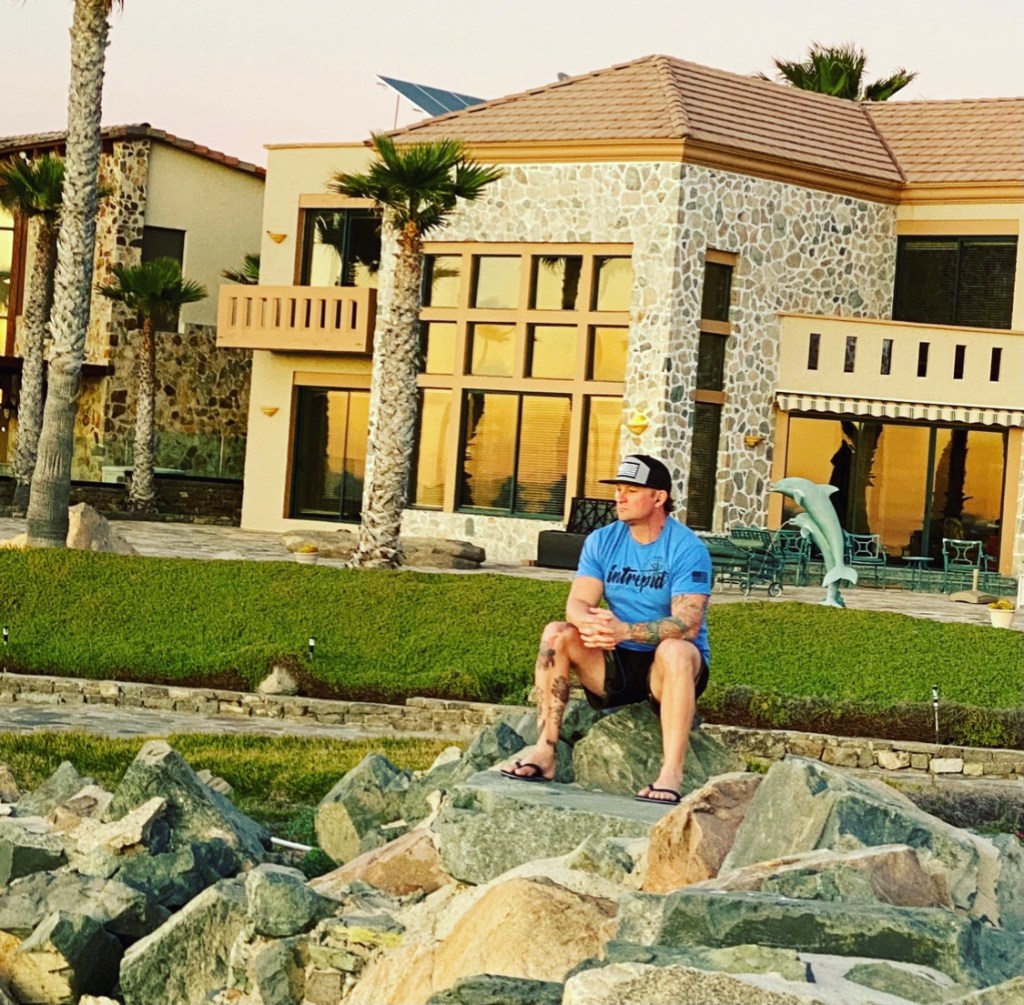
There is also an element of compassion required in healing—compassion toward yourself. Facing your own role in your pain does not mean condemning who you were when you made those choices. Often, those decisions were made with the knowledge, maturity, and emotional capacity you had at the time. Healing allows you to understand that version of yourself without remaining trapped by it.
Ultimately, healing is an act of responsibility not only to yourself but to those around you. When you tend to your wounds, you prevent them from spilling over onto the people you care about. You create healthier relationships. You respond rather than react. You break patterns that might otherwise repeat for years.
Healing takes effort because growth always does. But that effort transforms pain into insight, wounds into wisdom, and experience into maturity. When you choose to actively engage in your healing, you stop being defined by what hurt you and begin shaping who you become beyond it.
With Love, Fishtales.
 Fishtales