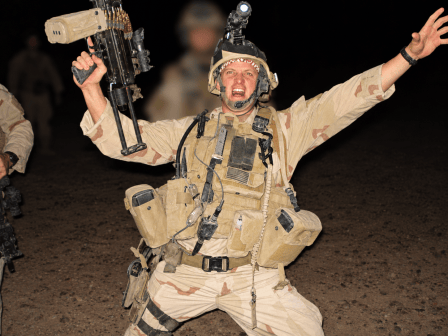
Rebuilding Identity, Purpose, and Mental Health After Military Service
Who are you when the mission changes, the uniform comes off, and the life that once defined you becomes part of your past?
For many veterans, this is one of the most difficult questions they will ever face. Military service is more than a profession. It is an experience that can fundamentally shape how individuals understand themselves, their relationships, their responsibilities, and their place in the world.
For years, a service member’s identity may be closely connected to their rank, unit, specialty, responsibilities, and mission. Their days are structured around expectations, discipline, accountability, and shared objectives. Their relationships are often built through extraordinary experiences, sacrifice, and mutual trust.
Then, one day, that structure changes.
The uniform comes off. The mission ends. The team moves on.
And for some veterans, the person they have known themselves to be becomes difficult to recognize.
What follows is not always simply a career transition. It can be a profound psychological adjustment that influences nearly every area of life.
But leaving military service does not mean leaving behind everything that made that life meaningful. It means learning how to carry those qualities into a new chapter.
When Your Profession Becomes Your Identity
Our identities develop through our experiences, relationships, beliefs, values, and responsibilities. We define ourselves through the roles we fulfill, the communities we belong to, and the contributions we make. Military service can bring these elements together with unusual intensity.
It provides a mission to accomplish, people to depend on, standards to uphold, and responsibilities that carry real consequences. Over time, the distinction between what someone does and who they are can become increasingly difficult to separate. A service member may begin to understand themselves primarily as a soldier, Marine, sailor, airman, guardian, leader, or warrior.
These identities often carry tremendous pride and meaning.
But what happens when the position that once provided purpose, structure, competence, significance, and belonging is no longer there?
For some veterans, separation creates a sense of freedom and opportunity. For others, it creates uncertainty, disconnection, or grief. Many experience a combination of these emotions.
The challenge is not necessarily that their identity has disappeared.
It is that the environment that once reinforced that identity every day has changed.
The Hidden Relationship Between Identity and Mental Health
Identity plays an important role in psychological well-being. Our understanding of who we are influences our confidence, emotional stability, relationships, decision-making, and sense of direction. When that understanding becomes uncertain, the effects can extend beyond questions about employment or future plans.
Veterans experiencing identity disruption may encounter feelings of emptiness, frustration, anxiety, grief, isolation, or diminished self-worth. Some begin comparing every new experience to the intensity and significance of military service. A civilian career may seem less meaningful. Relationships may feel different. Daily routines can appear repetitive or without direction.
There may also be a deeper and less frequently discussed struggle: the fear that moving forward means leaving something important behind. A veteran might question whether developing a new identity somehow diminishes their military service, sacrifices, or loyalty to those they served alongside. This internal conflict can become a barrier to growth.
But finding fulfillment outside the military does not diminish what someone accomplished while serving. Loyalty does not require remaining emotionally tied to a former chapter of life.
Moving forward is not betrayal. Growth does not erase sacrifice. And developing a new purpose does not make an old one less meaningful.
What the Research Tells Us
Research increasingly recognizes that military-to-civilian transition involves more than employment, education, and financial adjustment. A 2026 scoping review published in Behavioral Sciences examined 15 studies exploring relationships among veteran identity, meaning, purpose, and psychological well-being.
The review found that difficulties maintaining a coherent sense of identity and purpose after service were associated with poorer well-being. The findings reinforce an important distinction: a person can be functioning successfully on the outside while struggling internally with belonging, meaning, and direction.
Identity disruption is not itself a mental health diagnosis, and it should not automatically be confused with PTSD or depression. However, these experiences can coexist and influence one another.
Understanding that distinction allows us to look beyond symptoms and consider the broader question:
What does this individual need to build a meaningful, connected, and fulfilling life?
The Factors That Can Strengthen or Undermine Mental Health
Mental health does not develop independently from the rest of our lives. It is continuously influenced by our physical health, relationships, environment, habits, experiences, and personal beliefs. For veterans navigating identity changes, these factors can become particularly important.
Chronic stress, poor sleep, social isolation, financial instability, relationship difficulties, physical injuries, unhealthy coping mechanisms, and a lack of direction can create additional psychological strain. Unresolved trauma, grief, moral injury, and substance misuse may further complicate the transition for some individuals. These challenges can also reinforce one another.
A person struggling with identity may withdraw socially. Isolation can contribute to depressed mood and reduced motivation. Declining motivation may lead to inactivity, poor sleep, and reduced engagement with family or friends. Over time, this pattern can make it increasingly difficult to find the energy or confidence to pursue new opportunities.
However, this relationship can also work in the opposite direction.
Positive behaviors, supportive relationships, meaningful responsibilities, and consistent routines can help create conditions that support emotional stability, resilience, and personal growth.
This is where daily habits become especially valuable.
You do not have to accomplish something extraordinary every day to live an extraordinarily meaningful life.
How Seven Daily Habits Help Reconstruct Identity
The connection between these practices and identity may not be immediately obvious. What does getting sunlight, improving sleep, eating better, or exercising have to do with understanding who you are? The answer is found in how identity develops. You can read an in depth guide and approach to these seven daily habits here: small choices.
Our identities are influenced not only by what we believe about ourselves but also by the actions, commitments, relationships, and experiences that give those beliefs meaning.
A veteran who begins volunteering may rediscover the importance of service. Someone who commits to physical fitness may develop a healthier sense of capability outside military standards. A person who invests in family relationships may begin recognizing themselves as a parent, spouse, partner, or mentor rather than primarily through a former military role.
Learning a new skill can create confidence.
Developing friendships can establish belonging.
Keeping small commitments can rebuild trust in one’s ability to follow through. These experiences gradually create additional ways of understanding oneself.
No single positive habit can resolve the complicated psychological challenges associated with military separation.
But repeated, meaningful actions can help individuals develop routines, relationships, capabilities, and commitments that support a broader identity.
The goal is not to become someone completely different. It is to recognize that you have always been more than one role.
The Fortitude Perspective: Honoring the Past While Building the Future
At Fortitude Foundation, we recognize that military service can shape an individual in ways that remain significant throughout their lifetime. The discipline, courage, perseverance, leadership, loyalty, and commitment developed through service do not disappear when someone separates. But those qualities do not belong exclusively to military life.
They can be carried into relationships, careers, families, communities, and entirely new experiences.
Our approach to mental health and personal development is built around recognizing the connections among identity, purpose, emotional well-being, physical health, relationships, and daily behaviors.
Rather than viewing these areas as separate challenges, we work to understand how they influence one another.
Through our developing retreat curriculum, mental-health education, physical activities, guided reflection, practical exercises, and peer-driven connection, Fortitude aims to help veterans better understand themselves and develop a clearer direction for their lives. Equally important is what happens afterward.
Meaningful change requires more than understanding a problem. It involves applying what we learn through continued action, supportive relationships, and accountability.
That is why our approach includes a structured 90-day integration framework designed to help participants translate their experiences into everyday life.
Our philosophy is grounded in a simple principle:
We do not need to erase who we were to build who we want to become.
We can honor our military identity without allowing it to define the limits of our future.
A Practical Starting Point: The Three Chapters of Identity
Rebuilding identity does not begin with having every answer.
It begins with becoming willing to examine the questions.
One exercise within Fortitude’s identity-reconstruction work involves considering three different stages of life.
Chapter One: Who I Was
Think about the roles, responsibilities, relationships, and experiences that shaped you during military service.
What did you value most? What gave you pride? What made you feel capable, connected, and purposeful?
Look beyond your rank or specialty.
Identify the personal qualities that made those experiences meaningful.
Chapter Two: Who I Am Today
Consider your present circumstances without comparing every aspect of your life to the past.
What has changed? What do you miss? What are you grateful for?
Which beliefs or expectations may be preventing you from moving forward?
What strengths, values, and relationships remain part of your life?
Recognizing where you are does not mean accepting that you must remain there.
Chapter Three: Who I Am Becoming
Imagine a future where your military experiences remain an important part of your story but no longer determine every aspect of your identity.
What kind of person do you want to be?
What relationships deserve more attention?
What values do you want your daily actions to reflect?
What new responsibilities, interests, or experiences would give your life meaning?
Choose one action you can take this week that supports that direction.
Then repeat it.
Personal reconstruction is rarely one dramatic realization.
More often, it is the gradual result of meaningful decisions practiced consistently.
Recognizing When Additional Support Is Needed
Healthy routines, supportive relationships, and personal growth can contribute to psychological well-being, but they are not substitutes for professional treatment. Identity struggles can exist independently of mental illness, but they may also overlap with depression, PTSD, complicated grief, substance use disorders, or other health concerns.
Persistent hopelessness, severe sleep disruption, increasing substance use, withdrawal from relationships, or significant difficulty functioning deserve attention. For some veterans, working with a qualified mental health professional can provide essential support in understanding and addressing these challenges.
Resources such as VA mental health services, Vet Centers, VA Whole Health programs, and veteran peer-support organizations can help individuals access care, strengthen coping skills, and reconnect with their communities. Seeking professional support does not diminish an individual’s strength, independence, or accomplishments.
Nor does receiving treatment prevent someone from pursuing meaningful personal growth.
The two can work together.
Your Identity Is Not a Finished Story
Leaving military service can be one of the most significant transitions a person experiences. For some, it creates opportunities that were previously unavailable. For others, it brings difficult questions about identity, belonging, personal value, and purpose. Both experiences deserve understanding.
The answer is not to forget the military, reject the past, or attempt to replace experiences that cannot be replicated.
It is to recognize that the qualities developed through service remain valuable, even when the circumstances in which they were developed have changed.
You can honor your former mission while discovering a new one.
You can maintain your military relationships while building additional connections.
You can acknowledge grief without allowing it to determine the rest of your life.
And you can take pride in who you were while investing in who you are becoming.
At Fortitude Foundation, we believe that process begins with education, self-awareness, meaningful connection, and the willingness to make intentional changes.
Sometimes those changes involve difficult conversations, professional support, or confronting long-standing beliefs.
Other times, they begin with something as simple as getting outside, exercising, improving sleep, reconnecting with a friend, or deciding to learn something new.
You spent years developing the skills, discipline, and character required to serve a mission. Those qualities still belong to you.
Your service remains part of your identity.
But it does not have to be the entirety of it.
Your past shaped you. Your choices today influence you. And your future is still yours to build.
Travis Fishburn, The Fortitude Foundation
Forged in the Storm.
Research and Further Reading
Walters, C., Miller-Lewis, L., & Johnson, A. (2026). Transitioning to Civilian Life: How Are Life Meaning, Purpose and Identity Related to Wellbeing for Veterans? A Scoping Review. Behavioral Sciences, 16(8), 1386.
Bridges, W., & Bridges, S. (2019). Transitions: Making Sense of Life’s Changes. Balance.
Junger, S. (2016). Tribe: On Homecoming and Belonging. Twelve.
Feiler, B. (2020). Life Is in the Transitions: Mastering Change at Any Age. Penguin Press.
National Institute of Mental Health. Caring for Your Mental Health.
U.S. Department of Veterans Affairs. Whole Health and Veterans Transitioning From Service.
Veteran Mental Health Support: Veterans seeking immediate crisis support can call 988 and press 1, or text 838255 to connect with the Veterans Crisis Line.

